When your pet needs surgery, our anesthesia with specialist anesthesiologist provides specialized care from pre-anesthetic assessment through recovery monitoring. Dr. Fernando Garcia-Pereira spent years after veterinary school training exclusively in anesthesiology, learning to manage complex cases, anticipate complications, and keep patients stable during challenging procedures. At Pet Urgent Response and Emergency, this specialized expertise means your pet receives the level of anesthesia care typically found only at university hospitals. Every detail receives careful attention to help keep your pet safe throughout the procedure.
Anesthesia with Specialist Anesthesiologist
How Does Our Anesthesia with Specialist Anesthesiologists Work
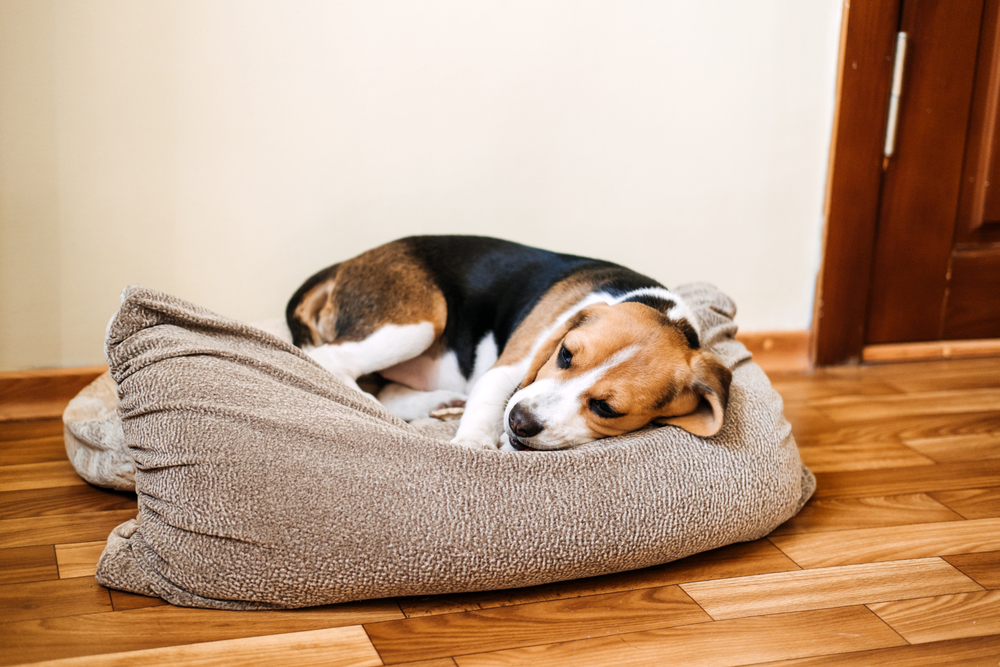
Anesthesia with a specialist anesthesiologist means your pet receives sedation and pain management from a veterinarian who has dedicated years to mastering this specific field. A specialist anesthesiologist handles everything from routine procedures to high-risk cases involving elderly pets, animals with heart disease, or complex surgeries requiring hours of careful monitoring. Their training prepares them to recognize subtle warning signs, adjust anesthesia protocols in real-time, and respond immediately when complications develop during any surgical procedure.
Benefits of Getting Your Pet’s Anesthesia from a Specialist Anesthesiologist
Tailored Anesthesia Protocols for Different Species and Breeds
Each animal reacts differently to anesthesia depending on their breed, size, and unique body chemistry. Veterinary anesthesiologists possess extensive knowledge about breed-specific sensitivities, such as sighthounds’ reactions to certain drugs or brachycephalic breeds’ breathing challenges under sedation. They adjust medication types, dosages, and delivery methods to match your pet’s unique characteristics. This customized approach prevents bad reactions and keeps your pet as safe as possible.
Reduced Surgical Complications Through Expert Vital Sign Management
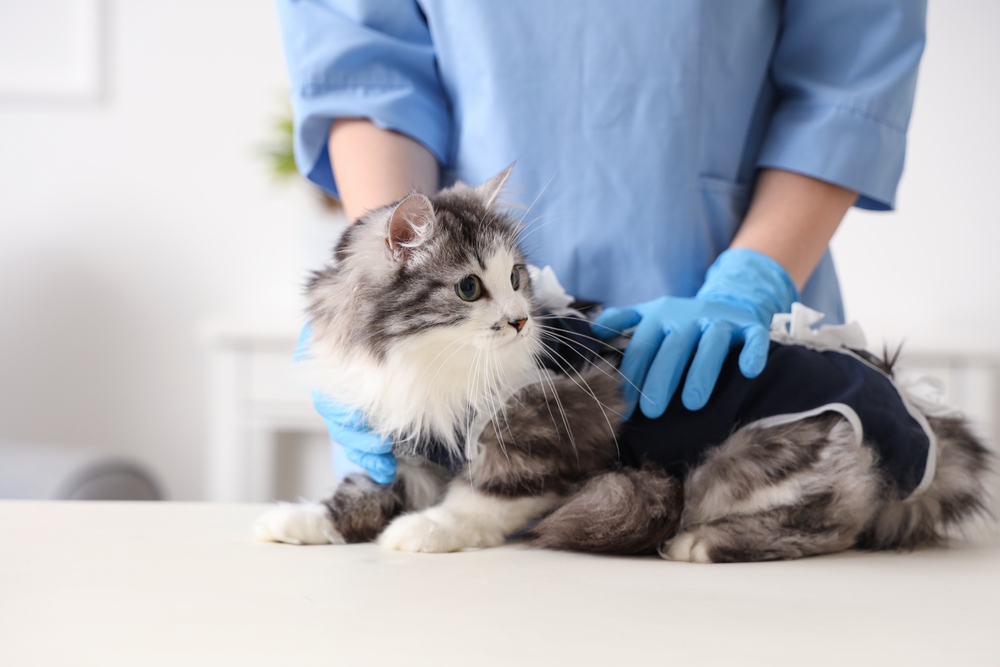
Keeping your pet’s vital signs stable during surgery makes a huge difference in how well they recover. A veterinary anesthesiologist continuously adjusts oxygen delivery, fluid administration, and medication levels to keep blood pressure, heart rate, and body temperature within optimal ranges. They spot and fix small problems right away before they become serious. This careful approach reduces risks like low body temperature, poor blood flow to organs, and heart problems that can lead to post-operative complications.
Complete Pre-Anesthetic Evaluation and Risk Assessment
A complete health check before anesthesia helps us catch anything that might put your pet at risk during procedures. Veterinary anesthesiologists interpret diagnostic results in the context of anesthetic risk, recognizing subtle abnormalities that might require protocol adjustments. They consider factors like age-related organ changes, medication interactions, and stress responses when planning anesthesia care. This thorough evaluation helps you understand your pet’s specific risks and make the best decision for their care.
Specialized Equipment for Continuous Patient Monitoring
Advanced monitoring equipment tracks your pet’s vital signs in real-time throughout anesthesia and recovery. Our veterinary anesthesiologist uses equipment like capnography to measure carbon dioxide levels, pulse oximetry for oxygen saturation, blood pressure monitors, and electrocardiography for heart rhythm analysis. They interpret this information immediately and make precise adjustments to anesthetic depth and supportive care. Our monitoring equipment and expert eye catch problems early, so we can step in right when it matters most.
Long-Term Pain Management Planning Beyond Surgery
Good pain control doesn’t stop when surgery ends, it requires careful planning for your pet’s comfort at home. Veterinary anesthesiologists develop comprehensive pain management strategies that include appropriate medications, dosing schedules, and alternative therapies for the days and weeks following surgery. They educate pet owners about recognizing pain signs in animals and when to seek additional support. This complete care plan keeps your pet comfortable through every stage of recovery.
How Our Specialist Anesthesiologist Administers Anesthesia
Why Choose Us
At Pet Urgent Response and Emergency, Dr. Garcia-Pereira’s board-certified expertise means your pet gets the best anesthesia care available. We use advanced monitoring equipment and modern medications that give us precise control and keep your pet as safe as possible during procedures. We understand that every pet is an individual with unique needs, and we take the time to develop protocols that account for those differences.
Our commitment to excellence extends beyond technical expertise. We recognize that pet owners need clear communication and genuine compassion during stressful times. Dr. Garcia-Pereira and our team take time to explain procedures in clear terms, answer all your questions, and keep you updated at every stage of your pet’s care. We combine expert medical care with real compassion for you and your pet—that’s what makes us different.

Experience Our Anesthesia With Specialist Anesthesiologists
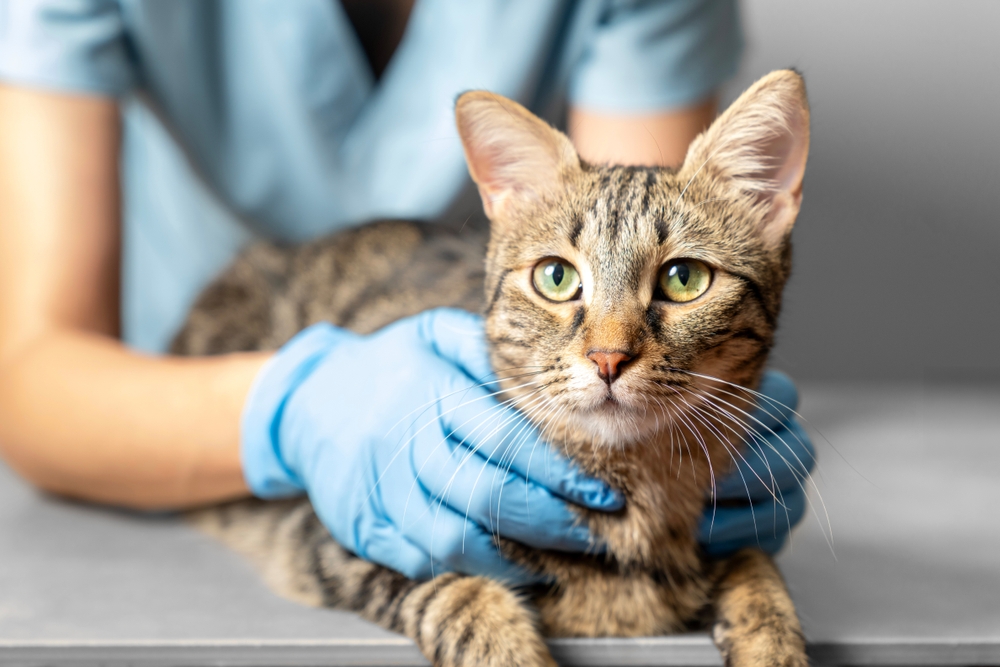
Most clinics use general practitioners for anesthesia, but our anesthesia with specialist anesthesiologists gives your pet access to specialized care from a trained anesthesiologist. Dr. Fernando Garcia-Pereira’s advanced anesthesiology training means your pet receives specialized, university-level care at Pet Urgent Response and Emergency. Want to discuss your pet’s upcoming procedure? Call 904.922.7873. We’re located at 8117 Point Meadows Dr #107, Jacksonville, FL 32256. Stay connected on Facebook, Instagram, and TikTok for surgical safety tips.
FAQs
How long does anesthesia last in dogs?
Dogs typically wake from general anesthesia within 15-30 minutes after procedures end, though full recovery with normal coordination takes 12-24 hours. Duration depends on anesthesia type, procedure length, age, health status, and individual metabolism. Some dogs appear groggy or disoriented for several hours as medications wear off. Most return to normal eating and behavior within 24 hours. If your dog remains extremely lethargic beyond 24 hours, cannot stand, or shows concerning symptoms, contact your veterinarian immediately.
Is anesthesia safe for dogs?
Modern veterinary anesthesia is generally very safe when performed with appropriate monitoring equipment, though all anesthesia carries inherent risk. Pre-anesthetic blood work identifies underlying health issues, allowing protocol adjustments. Continuous monitoring of heart rate, blood pressure, oxygen levels, and breathing ensures immediate problem detection. Risk increases in very young puppies, senior dogs, brachycephalic breeds, and dogs with heart, kidney, or liver disease. We understand your concerns about your companion’s safety—experienced veterinarians use specialized training to minimize risks.
Can anesthesia cause diarrhea in dogs?
Yes, anesthesia and associated medications can cause temporary diarrhea for 24-48 hours after procedures due to gastrointestinal upset from anesthesia drugs, stress, antibiotics, or pain medications. This is usually mild and self-limiting as medications clear the system. Fasting before anesthesia and dietary changes also contribute to loose stools. However, if diarrhea is severe, bloody, persists beyond 2-3 days, or accompanies vomiting, lethargy, or abdominal pain, contact your veterinarian as complications may require treatment.
How long does anesthesia last in cats?
Cats typically wake from general anesthesia within 15-20 minutes after procedures conclude, though complete recovery with normal coordination takes 12-24 hours. Recovery varies based on anesthesia type, procedure duration, age, health, and metabolism. Many cats seem disoriented or wobbly for several hours. Most return to normal eating, drinking, and grooming within 24 hours. We know recovery can be worrisome—if your cat remains extremely lethargic beyond 24 hours, cannot walk, or shows labored breathing, contact your veterinarian immediately.
Why is my cat restless after anesthesia?
Cats may show restlessness due to disorientation as medications wear off, surgical discomfort, nausea from anesthesia drugs, hospital stress, or medication side effects. Some cats pace, vocalize, or hide during the first 12-24 hours. This typically improves as anesthesia clears and pain management takes effect. Provide a quiet, comfortable recovery space away from household activity. We understand watching your cat struggle to settle is difficult—if restlessness is extreme, involves constant vocalization, or your cat appears disoriented beyond 24 hours, seek veterinary guidance.
Do cats need anesthesia for blood work?
Cats typically don’t need anesthesia for routine blood work, as blood draws are quick procedures most cats tolerate with gentle restraint. However, extremely fearful or aggressive cats may require light sedation for safe sample collection. Sedation is less common for blood work than procedures like X-rays requiring cats to remain still longer. Your veterinarian determines needs based on temperament and cooperation. In emergency situations, veterinarians prioritize obtaining necessary diagnostics with minimal stress, using appropriate techniques or light sedation when medically necessary.