Not every case of vomiting needs emergency care. But when your pet vomits ten times in three hours, passes bloody diarrhea, or shows a distended abdomen with sudden weakness, you’re looking at something serious: pancreatitis, hemorrhagic gastroenteritis, intestinal obstruction, or toxic ingestion. These conditions deteriorate rapidly. Pet Urgent Response and Emergency runs diagnostics immediately—bloodwork, imaging, physical examination—while Dr. Fernando Garcia-Pereira determines whether your pet needs medical management or emergency surgery. We’re open extended hours seven days a week because GI emergencies don’t happen on a convenient schedule. When severe symptoms appear, bring your pet in.
Gastrointestinal Diseases
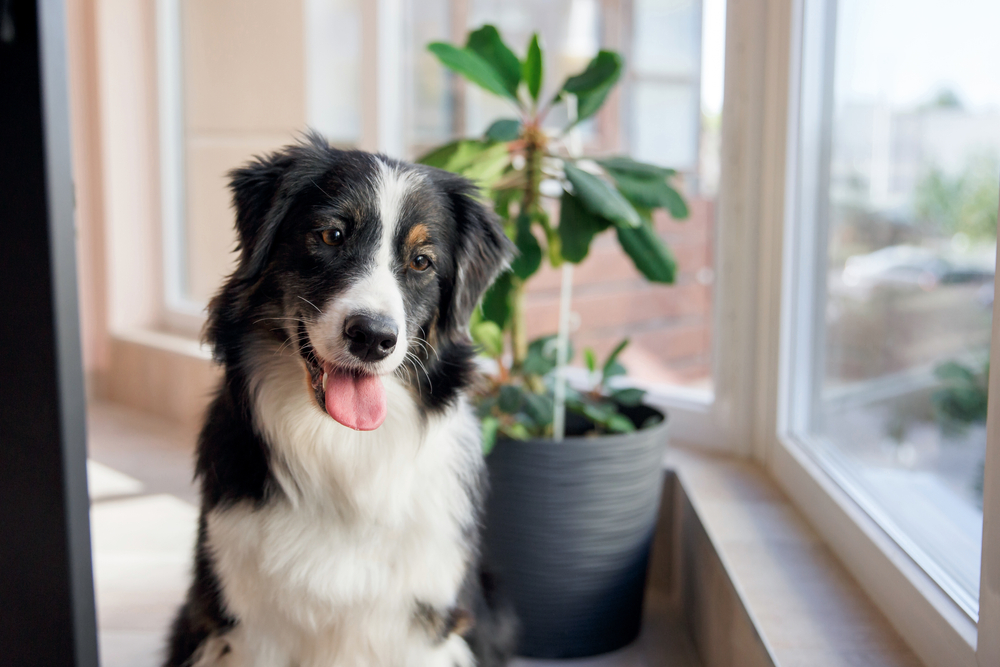
Understanding Gastrointestinal Diseases
Gastrointestinal diseases are conditions that affect your pet’s digestive system, from the mouth and esophagus through the stomach, small and large intestines, to the liver and pancreas. These disorders disrupt normal digestive function, preventing your pet’s body from properly breaking down food, absorbing essential nutrients, and eliminating waste products. Common signs include vomiting, diarrhea, constipation, abdominal pain, bloating, loss of appetite, weight loss, and changes in stool consistency or color.
Gastrointestinal diseases range from temporary conditions like mild dietary upset to serious, life-threatening emergencies that need immediate veterinary care. Some conditions develop gradually over time, while others strike suddenly with severe symptoms. Causes include infections from bacteria, viruses, or parasites, inflammatory conditions, obstructions from foreign objects, toxic exposures, organ dysfunction, food sensitivities, and structural problems in the digestive tract.
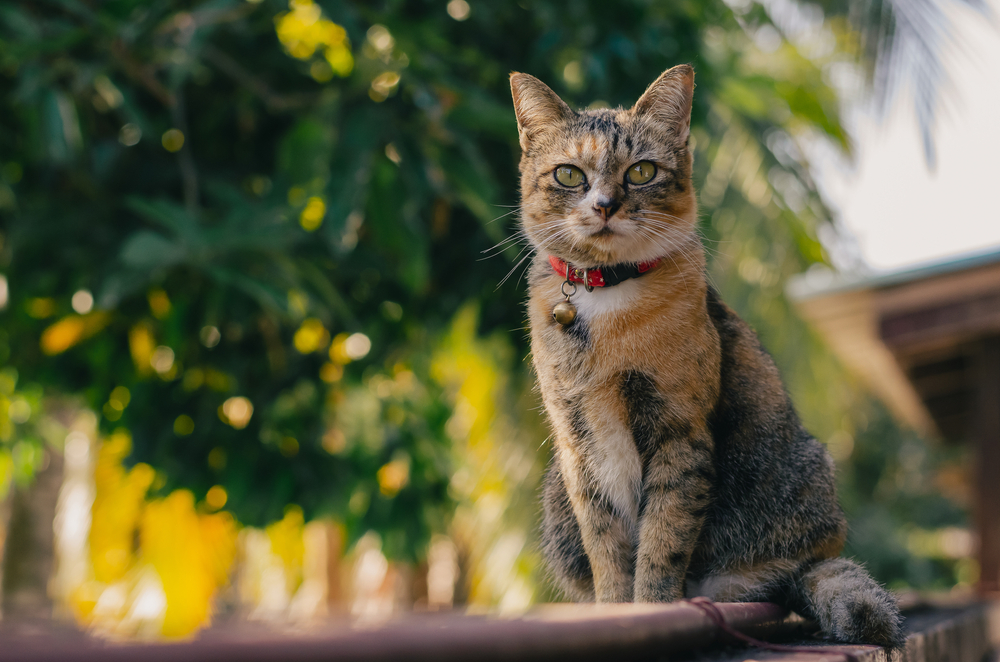
Benefits of Gastrointestinal Diseases Treatment
Early Detection of Serious Conditions
When we evaluate your pet’s digestive symptoms right away, we can identify critical conditions like intestinal obstructions, pancreatitis, or parvovirus before they cause irreversible damage. Many digestive problems look the same at first, but what’s causing them can be very different, some are minor, others are life-threatening. Our diagnostic testing reveals whether your pet’s vomiting or diarrhea stems from a simple dietary issue or a dangerous emergency that needs immediate surgery or intensive care.
Prevents Dangerous Dehydration
Vomiting and diarrhea cause rapid fluid loss that can quickly become life-threatening, especially in puppies, kittens, and senior pets with compromised immune systems. IV fluids restore hydration, replace lost electrolytes, and keep blood pressure stable while we address the underlying gastrointestinal disease. Quick treatment helps prevent organ failure and keeps blood flowing to vital organs, giving your pet’s body the resources it needs to fight infection or recover from toxic exposure.
Reduces Risk of Secondary Infections
Gastrointestinal diseases damage the intestinal lining, which can let harmful bacteria into the bloodstream and cause serious infections throughout the body. Quick treatment strengthens your pet’s immune response and prevents bacteria from moving out of the damaged gut. We watch for signs of sepsis, give antibiotics when bacterial infections are present, and help the intestinal lining heal and protect your pet again.
Protects Against Nutritional Deficiencies
Long-term vomiting and diarrhea prevent your pet from absorbing essential vitamins, minerals, and nutrients needed to stay healthy and fight disease. Quick treatment breaks the cycle of malnutrition that weakens your pet’s body and slows recovery. We offer nutritional support through specialized diets and, when needed, feeding methods that work around the irritated digestive system until normal function returns and your pet can eat comfortably again.
Minimizes Spread of Contagious Diseases
Some gastrointestinal diseases like parvovirus, giardia, and certain bacterial infections spread easily to other pets in your household or community. A quick diagnosis helps you keep your sick pet separated from other animals at home, protecting them from exposure. Our team gives you specific guidance on cleaning and disinfection, safe waste disposal, and how long to keep your pet isolated based on what’s making them sick, preventing the spread of disease while your pet recovers.
How We Treat with Gastrointestinal Diseases in Pets
Why Choose Us
Pet Urgent Response and Emergency specializes in emergency care for gastrointestinal diseases when your pet needs help immediately. Our facility has on-site diagnostic tools including digital X-rays, ultrasound, and advanced laboratory testing, so we can quickly find out what’s wrong without delays or sending you somewhere else. We understand that digestive emergencies don’t follow a schedule, which is why we offer extended emergency hours seven days a week, including holidays and weekends.
What really matters is our team’s expertise in critical moments. We’ve treated all types of gastrointestinal emergencies, from mild cases that need supportive care to life-threatening situations that need surgery. We know that small and senior pets are especially vulnerable to rapid decline from vomiting and diarrhea, and we adjust our treatment accordingly. When you choose our clinic, you’re getting emergency veterinarians who understand how urgent digestive diseases can be and we’re here to provide expert, compassionate care when you need it most.


Reach Out for Emergency Gastrointestinal Diseases Treatment
Gastrointestinal emergencies require quick differentiation between medical and surgical cases. Pet Urgent Response and Emergency runs comprehensive diagnostics immediately while Dr. Fernando Garcia-Pereira determines the best treatment approach for your pet’s specific condition. Extended hours, seven days a week. Call 904.922.7873 or visit 8117 Point Meadows Dr #107, Jacksonville, FL 32256. Get digestive health tips for your pets on our Facebook, Instagram, and TikTok pages.

FAQs
How do I know if my dog has gastrointestinal problems?
Common signs include repeated vomiting, diarrhea, constipation, abdominal pain, bloating, loss of appetite, and weight loss. Emergency symptoms requiring immediate veterinary attention include vomiting ten or more times within hours, bloody diarrhea, distended abdomen with sudden weakness, or suspected toxic ingestion. These conditions deteriorate rapidly and need professional diagnostics to differentiate between mild dietary upset and life-threatening emergencies like pancreatitis or intestinal obstruction.
What to feed dogs with gastrointestinal problems?
Start with bland, easily digestible foods once vomiting stops. Most veterinarians recommend boiled chicken with white rice or plain boiled ground turkey. Introduce small portions gradually, watching for symptom return. Your vet will provide specific dietary guidance based on your dog’s condition, as different gastrointestinal issues require different approaches. We always tailor feeding plans to each pet’s needs during recovery, ensuring the best chance for digestive healing without triggering new symptoms.
How to treat gastrointestinal bleeding in dogs?
Gastrointestinal bleeding requires immediate emergency care. Treatment typically involves IV fluids for stabilization, diagnostic testing including bloodwork and imaging to identify the bleeding source, and medications addressing underlying causes like ulcers or clotting disorders. Severe cases may need emergency surgery. Treatment costs vary widely depending on severity—simple cases may run several hundred dollars, while critical cases requiring surgery and hospitalization can reach several thousand. Never attempt home treatment for gastrointestinal bleeding.
How to treat gastrointestinal problems in cats?
Treatment depends on the specific condition diagnosed through bloodwork, imaging, and physical examination. Standard care includes IV fluids for dehydration, anti-nausea medications, pain management, and antibiotics when bacterial infections are present. Emergency surgery may be necessary for obstructions. Cats dehydrate quickly from vomiting and diarrhea, making prompt treatment essential. We understand cost concerns—basic treatment starts around a few hundred dollars, while complex cases requiring hospitalization may cost more, but we’re here to discuss options.
How to tell if your cat has gastrointestinal obstruction?
Key warning signs include repeated vomiting, inability to keep food or water down, lack of bowel movements, abdominal pain (hunched position or crying when touched), and progressive weakness. Cats commonly swallow foreign objects like string, ribbons, or small toys causing dangerous blockages. Suspected obstructions require immediate veterinary care with X-rays or ultrasound for diagnosis. Emergency surgery may be necessary to prevent intestinal perforation. Quick action saves lives in these time-sensitive emergencies.
What do you feed a cat with gastrointestinal disease?
The appropriate diet varies by condition severity. After vomiting stops, veterinarians typically recommend bland, easily digestible foods introduced gradually in small portions. Common options include boiled chicken, prescription gastrointestinal diets, or specialized formulas supporting intestinal healing. Your vet will create a specific feeding plan based on your cat’s diagnosis. Severe cases may require alternative feeding methods temporarily. We work with every pet parent to find nutritionally appropriate, budget-conscious solutions that support your cat’s recovery.