Bladder stones don’t always pass on their own. Sometimes they’re too large, too numerous, or positioned where they block urine flow completely. That’s when cystotomy, surgical bladder opening, becomes necessary. Dr. Fernando Garcia-Pereira, DMV performs these procedures at Pet Urgent Response and Emergency for dogs and cats suffering from urinary obstructions, chronic infections, or stones that medication can’t dissolve. We explain exactly what we found on X-rays or ultrasound, why surgery is the solution, and what happens during the procedure and afterward. You’ll know what to expect before, during, and after your pet’s bladder surgery.
Cystotomies

Understanding Cystotomies
A cystotomy is a surgical procedure that creates an opening in the wall of a pet’s urinary bladder, allowing veterinary surgeons to access and examine the bladder’s interior. This bladder surgery helps diagnose and treat problems by providing direct visualization of the bladder’s interior something imaging tests alone can’t show clearly. The procedure involves making an incision through the abdominal wall and then into the bladder itself, creating a temporary opening for removing stones, collecting tissue biopsies, or treating various urinary tract conditions.
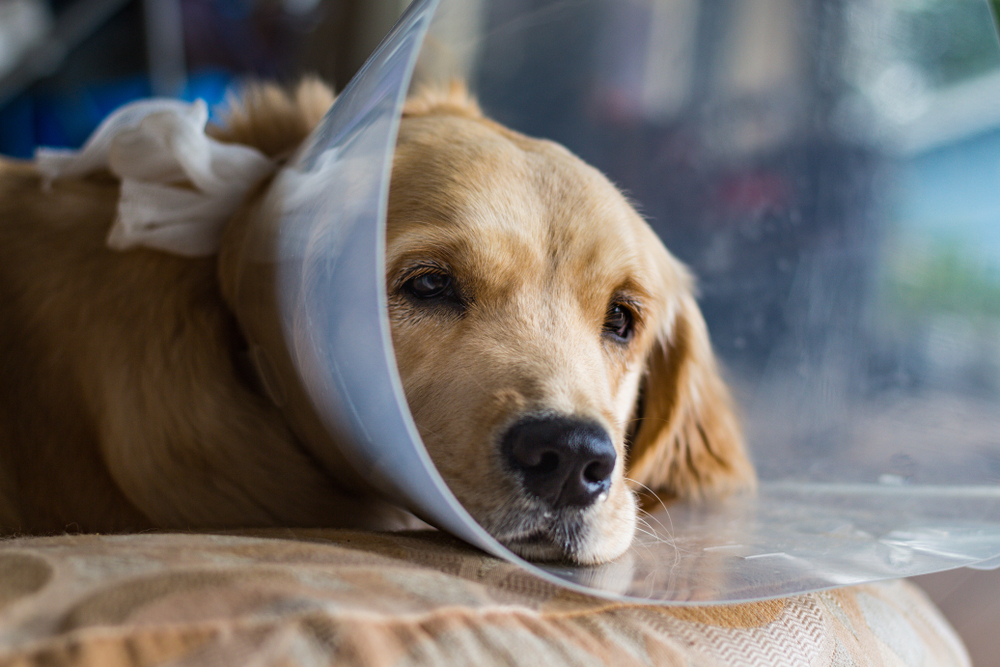
Benefits of Cystotomies
Removes Obstructions that Cause Life-Threatening Toxin Buildup
Bladder stones blocking your pet’s urethra prevent urine from leaving the body, causing dangerous toxins to accumulate in the bloodstream. Within 24-48 hours of complete obstruction, your pet can develop kidney failure and potentially fatal electrolyte imbalances. A cystotomy quickly removes the blockage and restores normal urine flow, flushing these harmful toxins from your pet’s system. This emergency intervention can literally save your dog or cat’s life when they’re in critical condition from urinary obstruction.
Eliminates Chronic Pain from Bladder Inflammation
Bladder stones constantly irritate the bladder lining, creating painful inflammation that makes every urination uncomfortable for your pet. You may notice your dog or cat crying out, straining excessively, or avoiding the litter box because of this ongoing discomfort. The cystotomy procedure removes these irritating stones completely, giving the bladder tissue a chance to heal without constant trauma. Most pets show remarkable relief within just a few days after surgery, returning to normal bathroom habits without the distress they experienced before.
Prevents Kidney Damage from Chronic Urinary Backup
When bladder stones partially block urine flow, pressure builds up and can force urine backward toward the kidneys over time. This backward pressure damages delicate kidney tissue and can lead to permanent kidney disease if left untreated. By removing stones through cystotomy surgery, we restore normal urine flow and protect your pet’s kidneys from this progressive damage. Early surgical intervention preserves kidney function and helps your pet avoid the serious health problems associated with kidney failure later in life.
Identifies Underlying Metabolic Disorders Through Stone Composition
The mineral analysis performed on removed bladder stones can reveal hidden metabolic problems your pet may have. Certain stone types indicate conditions like portosystemic shunts, hereditary enzyme deficiencies, or metabolic abnormalities that affect how your pet processes nutrients. Discovering these underlying issues through stone analysis lets us address the root cause, not just the symptoms. This comprehensive approach improves your pet’s overall health and may uncover treatable conditions you didn’t know existed.
Reduces Emergency Visits and Repeated Treatments
Pets with bladder stones often end up at emergency clinics multiple times for catheterization, pain management, or temporary relief measures that don’t solve the underlying problem. These repeated visits are stressful for your pet, disruptive to your family, and costly over time. A cystotomy addresses the problem definitively in one procedure, eliminating the cycle of emergency treatments and temporary fixes. Your pet can return to normal life without the constant worry of another painful obstruction episode requiring urgent veterinary care.
How We Perform Cystotomies at Our Practice
Why Choose Us
At Pet Urgent Response and Emergency, we combine surgical expertise with genuine compassion for your pet’s wellbeing. Dr. Fernando Garcia-Pereira has extensive experience in veterinary surgery, using proven techniques and meticulous care to reduce complications and speed up healing. Our facility has advanced diagnostic and surgical equipment, so we can provide complete care from your first visit through full recovery.
We understand that your pet is a cherished family member, and we treat every patient with the same care we would give our own animals. Our team takes time to answer your questions, explain procedures in plain language, and give you clear instructions for home care. We keep you updated every step of the way about your pet’s progress and what we find during surgery. Many pets have urgent bladder problems, which is why our emergency services are ready when your dog or cat needs surgery right away.

Take Action With Us for Your Pet’s Cystotomy Procedure
Medication can’t always dissolve stones, but surgery can remove them completely. Dr. Fernando Garcia-Pereira will walk you through every step of the cystotomy procedure at Pet Urgent Response and Emergency, from diagnosis through recovery. Questions about bladder surgery? Call 904.922.7873 or visit our practice to learn more. Join our community on Facebook, Instagram, and TikTok for surgical insights.
FAQs
How long does a cystotomy take in dogs?
Cystotomy surgery typically takes 30-90 minutes depending on case complexity, number of stones, and any complications. Straightforward cases with few stones may complete in 30-45 minutes, while complicated cases require longer. Total anesthesia time including preparation and recovery extends beyond actual surgery. Dogs remain hospitalized afterward for monitoring, pain management, and ensuring normal urination before discharge. We provide specific time estimates based on your dog’s individual situation and keep you updated throughout the procedure.
What is a cystotomy in dogs?
Cystotomy is bladder surgery where the veterinarian opens the bladder to remove stones, masses, or obstructions that can’t be treated medically. The surgeon makes abdominal and bladder incisions, removes problematic material, examines the bladder lining, and sutures everything closed. This becomes necessary when stones are too large to pass, cause blockages or recurrent infections, or when masses need removal. Emergency cystotomy may be required if your dog can’t urinate due to urethral blockage or faces bladder rupture risk.
How long should my dog still be straining after cystotomy?
Mild straining for 24-48 hours post-surgery is normal as the bladder heals and inflammation subsides, gradually improving daily. Your dog may show initial discomfort during urination, decreasing with pain medication. However, severe straining, no urine production, constant straining without improvement, or developing bloody urine, vomiting, or lethargy days post-surgery indicates potential complications like infection or remaining stones. Contact your veterinarian immediately if straining worsens or doesn’t improve within 48 hours. We’re here to address post-operative concerns promptly.
What to expect after cat cystotomy?
Expect an abdominal incision requiring 10-14 days to heal with e-collar protection. Your cat may show decreased appetite, mild lethargy, and discomfort initially, improving with prescribed pain medication. Mild blood in urine is common as the bladder heals. Your cat should urinate within 24 hours, though slight straining may occur initially. Monitor the incision for excessive swelling or discharge. Follow-up appointments monitor healing, and dietary changes may prevent stone recurrence. We provide comprehensive post-operative guidance for smooth recovery.
What is a cystotomy in cats?
Cystotomy is bladder surgery removing stones, masses, or blood clots that can’t be eliminated medically or through catheterization. The veterinarian surgically opens the bladder through an abdominal incision, removes problematic material, flushes and examines the bladder lining, then closes both bladder and abdomen with sutures. This becomes necessary when stones cause blockages, recurrent infections, or severe inflammation unresponsive to treatment. Emergency cystotomy may be required for urinary blockages, bladder rupture, or life-threatening complications requiring general anesthesia and hospitalization.
Can you pick up a cat after a cystotomy?
Yes, gently pick up your cat by supporting them under the chest and hindquarters, avoiding abdominal incision pressure. Use both hands to distribute weight evenly and prevent surgical site strain. Avoid lifting by front legs alone or applying belly pressure. Limit picking up to necessary situations like vet visits, as excessive handling may cause discomfort or stress the healing incision. Most cats prefer staying on the floor during recovery, making this easier for everyone involved.