Our urethral blockage care is available for pets experiencing difficulty urinating, a life-threatening condition that requires immediate veterinary attention. If you see your cat crouch in the litter box without urinating, or your dog whimper while straining to urinate, your pet needs emergency veterinary care immediately. Urethral blockage can be fatal within 24 to 72 hours without intervention, most commonly affecting male cats because of their narrow urethra. Dr. Fernando Garcia-Pereira and the experienced team specialize in quickly relieving urethral obstructions in cats and dogs, stabilizing critical patients, preventing kidney damage, and managing pain throughout treatment.
Urethral Blockage
Understanding Urethral Blockage
Urethral blockage occurs when a complete obstruction prevents urine from flowing through the urethra—the tube that carries urine from the bladder out of the body. The underlying causes vary significantly between cats and dogs. In cats, urethral plugs composed of crystals, mucus, cellular debris, and protein create cork-like masses that lodge in the urethra. Male cats face disproportionate risk because their urethra is both longer and narrower than in females, with the penile portion tapering to an extremely small diameter where obstructions most commonly occur.
Dogs, by contrast, typically develop blockages from bladder stones or prostatic disease rather than urethral plugs. Additional causes in both species include tumors, blood clots, severe inflammation, or scar tissue from previous urinary tract trauma. Regardless of the cause, blocked urine backs up into the bladder and kidneys, creating dangerous pressure that damages kidney tissue, causes toxin accumulation, and triggers life-threatening electrolyte imbalances.
Benefits of Urethral Blockage Treatment
Prevents Life-Threatening Complications
Immediate treatment for urethral blockage prevents the buildup of toxins in your pet’s bloodstream that happens when urine can’t be eliminated. Without help, blocked pets develop dangerously high levels of potassium and other electrolytes that can cause fatal heart arrhythmias. Quick veterinary care removes the obstruction before these toxins reach critical levels, protecting your pet’s vital organs and giving them the best chance for recovery with fewer complications.
Relieves Immediate Pain and Discomfort
Pets with urethral blockage experience severe pain from bladder distension and the inability to urinate. Emergency treatment brings rapid relief by removing the obstruction and draining the overfilled bladder. Your pet will feel noticeably more comfortable once urine flow resumes, and pain management medications help control any remaining discomfort during recovery. This immediate relief improves your pet’s quality of life and reduces the stress from this frightening condition.
Protects Kidney Function
When urine backs up due to urethral blockage, the increased pressure can damage delicate kidney tissues and impair their filtering ability. Early treatment releases this pressure before permanent kidney damage happens, protecting your pet’s kidneys for the long term. The kidneys remove waste products, regulate blood pressure, and maintain proper fluid balance. Protecting these organs with quick treatment helps your pet keep normal kidney function throughout their life.
Identifies Underlying Causes
Treatment for urethral blockage includes diagnostic testing to figure out what caused the obstruction in your pet. Urinalysis, blood work, and imaging studies show whether crystals, stones, inflammation, or other factors contributed to the blockage. Understanding the root cause helps your veterinarian create a prevention plan that fits your pet’s specific needs, lowering the risk of future blockages and helping you better care for their urinary health.
Reduces Recurrence Risk
Complete treatment addresses not just the immediate blockage but also the factors that led to its development. Your veterinarian can recommend dietary changes, increased water intake strategies, and environmental modifications that help prevent future obstructions. Male cats with repeated blockages despite preventive care might need a surgical procedure called perineal urethrostomy, which widens the urethral opening so urine can pass more easily and reduces obstruction risk. While preventive measures greatly lower the risk of future blockages, some cats may experience recurrence despite following all recommendations, which is why ongoing monitoring stays essential.
Our Urethral Blockage Treatment Process
Why Choose Us
Pet Urgent Response and Emergency gives you immediate experienced veterinary care when your pet faces a urinary emergency. Dr. Fernando Garcia-Pereira and our skilled team understand how urgent urethral blockage cases are and make rapid help our priority to relieve your pet’s suffering and prevent serious complications. Our facility has the diagnostic equipment and medical supplies needed to treat these critical cases from initial stabilization through complete recovery support.
We treat urethral blockage by doing more than just relieving the immediate obstruction. Our team finds the underlying causes with complete diagnostic testing and works with you to create a realistic prevention plan that fits your pet’s needs and your household. We give you clear communication throughout the treatment process, helping you understand your pet’s condition and what steps you can take to lower recurrence risk. Your pet’s comfort and long-term urinary health are our top priorities from the emergency visit through follow-up care.


Get Fast Care With Our Urethral Blockage Treatment
Our urethral blockage treatment can help prevent kidney failure and other life-threatening complications when your pet receives immediate care. Dr. Fernando Garcia-Pereira and our emergency team are ready to relieve the obstruction, restore normal urination, and give your pet the best chance to recover.
If your pet is straining without urinating, call 904.922.7873 for immediate guidance or bring them directly to 8117 Point Meadows Dr #107, Jacksonville, FL 32256. You may also learn the early warning signs of urinary blockages on our Facebook, Instagram, and TikTok pages before an emergency strikes.
FAQs
What causes urethra blockage in cats?
Urethral blockage typically results from urethral plugs composed of crystals, mucus, and debris that lodge in the narrow urethra. Bladder stones, severe inflammation, tumors, blood clots, or scar tissue can also cause obstruction. Male cats face higher risk due to their longer, narrower urethra. Contributing factors include diet, inadequate water intake, obesity, and stress. Understanding these causes helps pet owners recognize risk factors, though any cat showing straining without urination needs immediate emergency care regardless of the underlying trigger.
How common do cats die from urethra blockage?
Without treatment, urethral blockage is fatal within 24-72 hours. However, with prompt emergency care, approximately 85-90% of cats survive their first blockage. We’ve seen countless cats recover fully when owners recognize the emergency quickly and seek immediate help. Survival depends heavily on how fast treatment begins. Cats treated within hours have excellent outcomes, while delayed treatment increases complications. Every blocked cat we treat reminds us why immediate action matters. Your quick response and our emergency expertise give your cat the best chance at survival and recovery.
How to diagnose a urethral blockage in cats?
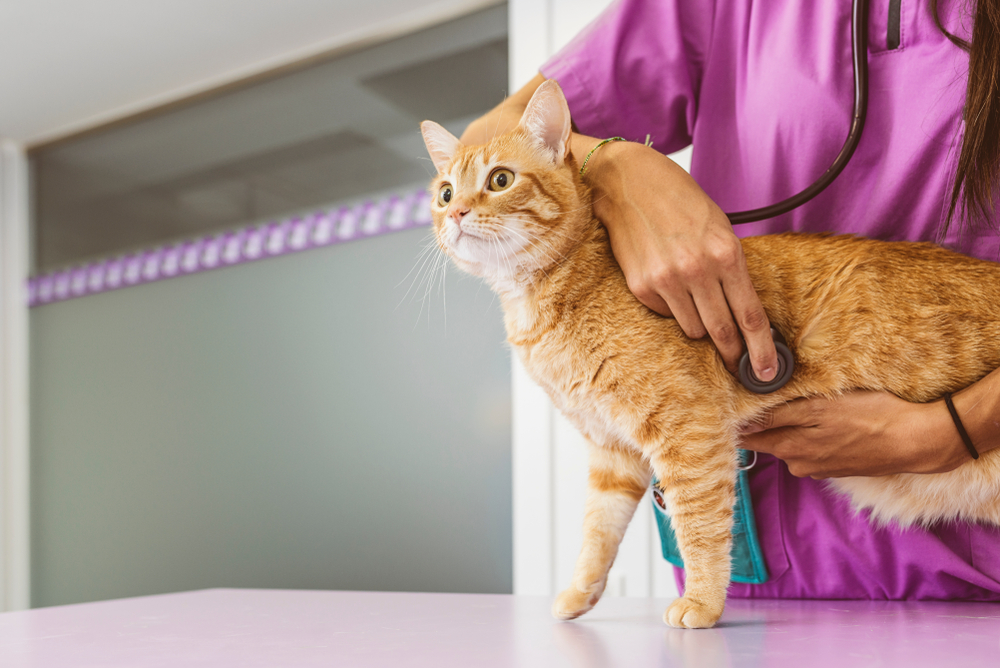
Veterinarians diagnose urethral blockage through physical examination, finding a distended, firm, painful bladder that cannot empty despite your cat’s straining efforts. We assess your cat’s distress level and palpate the abdomen to confirm bladder enlargement. Blood work reveals elevated kidney values and dangerous electrolyte imbalances, particularly high potassium affecting heart function. Urinalysis identifies crystals and abnormalities. Imaging like radiographs or ultrasound determines whether plugs, stones, or inflammation caused the obstruction, guiding our treatment approach and prevention strategies.
Is a urethral spasm considered a blockage in cats?
Urethral spasm creates a functional obstruction producing identical emergency symptoms as physical blockages, requiring the same immediate attention. The urethral muscle contracts from pain or inflammation, preventing urine passage even without a plug or stone present. Affected cats show the same distressing signs: straining, discomfort, inability to empty the bladder. We treat urethral spasm with equal urgency because your cat faces the same life-threatening complications. Treatment focuses on relieving the obstruction and addressing underlying inflammation causing the spasm.
What is the treatment for a returning urethral blockage in cats?
Returning blockages require the same emergency protocol: immediate obstruction relief, supportive care, and stabilization. We understand the frustration and worry of repeated episodes; many pet owners face this challenge. Emergency treatment costs for recurrent blockages may vary based on your cat’s condition severity and required hospitalization length. After stabilization, we coordinate with your regular veterinarian for long-term prevention strategies including specialized diets, lifestyle modifications, and monitoring to reduce future episodes and associated expenses.