Labor complications don’t wait for business hours. When a pregnant dog or cat faces obstructed delivery, fetal distress, or breed-specific birthing problems, our C-section services provide emergency surgical care when needed to protect the mother and her offspring. Dr. Fernando Garcia-Pereira and the surgical team at Pet Urgent Response and Emergency handle obstetric emergencies with the urgency they demand. From the moment you arrive, we focus on stabilizing the mother and delivering her offspring safely. Our surgical suites are ready, and our staff is experienced in both maternal and neonatal care, with the equipment and expertise to handle complications during and after delivery.
C-Sections

Understanding C-Sections in Pets
A cesarean section, commonly called a C-section, is a surgical procedure where puppies or kittens are delivered through incisions made in the mother’s abdomen and uterus rather than naturally. This veterinary surgical delivery becomes necessary when vaginal birth poses serious risks to the mother or her offspring, or when complications make natural delivery impossible. The procedure involves making a careful incision through the abdominal wall to access the uterus, then delivering each baby individually before closing the surgical site with sutures.
C-sections are typically performed during emergencies or when there’s significant risk to the mother or offspring. Certain breeds more commonly require C-sections due to anatomical challenges. Brachycephalic breeds like Bulldogs, French Bulldogs, and Boston Terriers often need surgical delivery because their puppies have disproportionately large heads compared to the mother’s pelvic canal. Large-breed dogs carrying small litters may also require C-sections, as low hormone levels can prevent labor from starting or progressing naturally.

Benefits of C-Section Treatment
Saves Lives During Obstructed Labor
When your pet can’t deliver naturally due to oversized offspring, breech positioning, or physical obstructions, a C-section relieves the obstruction and prevents dangerous complications. Long labor exhausts the mother and deprives babies of oxygen, leading to stillbirths or severe health problems. Surgery resolves these emergencies, giving every puppy or kitten a better chance at survival. Quick action helps prevent uterine rupture and maternal shock that can happen when labor stalls for too long.
Reduces Maternal Distress and Complications
Extended, difficult labor causes extreme physical stress that weakens your pet and increases infection risk. A C-section stops the exhausting struggle and the trauma from unsuccessful delivery attempts. Your pet experiences less overall suffering compared to hours of unproductive contractions. The controlled surgical environment also lets our team monitor vital signs continuously and address any complications right away, keeping your pet safe during surgery.
Increases Offspring Survival Rates
Puppies and kittens trapped in the birth canal lose oxygen, which can cause brain damage or death within minutes. Surgical delivery brings babies into the world before they suffer permanent harm, greatly improving their survival. This is particularly critical when multiple offspring create logistical challenges during natural birth. Each additional minute of delay reduces survival chances, which is why we act fast to protect the entire litter.
Prevents Uterine Complications
When labor fails to progress, the uterus faces risks of infection, tearing, or complete rupture. These catastrophic complications can be deadly without quick action. A timely C-section protects your pet’s reproductive organs and overall health. The procedure also lets our veterinary team examine the uterus directly, spotting any abnormalities that might affect future pregnancies or need additional treatment.
Provides Controlled Medical Environment
Emergency deliveries outside our clinic are much riskier for both mother and babies. Performing a C-section in our surgical suite means we have anesthesia, sterile instruments, and emergency medications ready. Our team can respond immediately to complications like hemorrhaging or respiratory distress. Our surgical suite has warming equipment for newborns and monitoring devices that track your pet’s vital signs throughout the entire procedure.
Our C-Section Treatment Process
Why Choose Us
Pet Urgent Response and Emergency has a complete surgical suite built for emergency obstetric procedures in dogs and cats. Our team has extensive experience performing C-sections on various breeds, knowing what each case needs. We understand time matters during labor emergencies, which is why we prioritize rapid assessment and immediate action when surgical delivery becomes necessary.
Dr. Garcia-Pereira’s expertise in emergency surgery means your pet gets excellent care during this stressful time. We don’t just focus on the procedure itself—we offer comprehensive support throughout the entire experience, from initial evaluation through postoperative recovery.
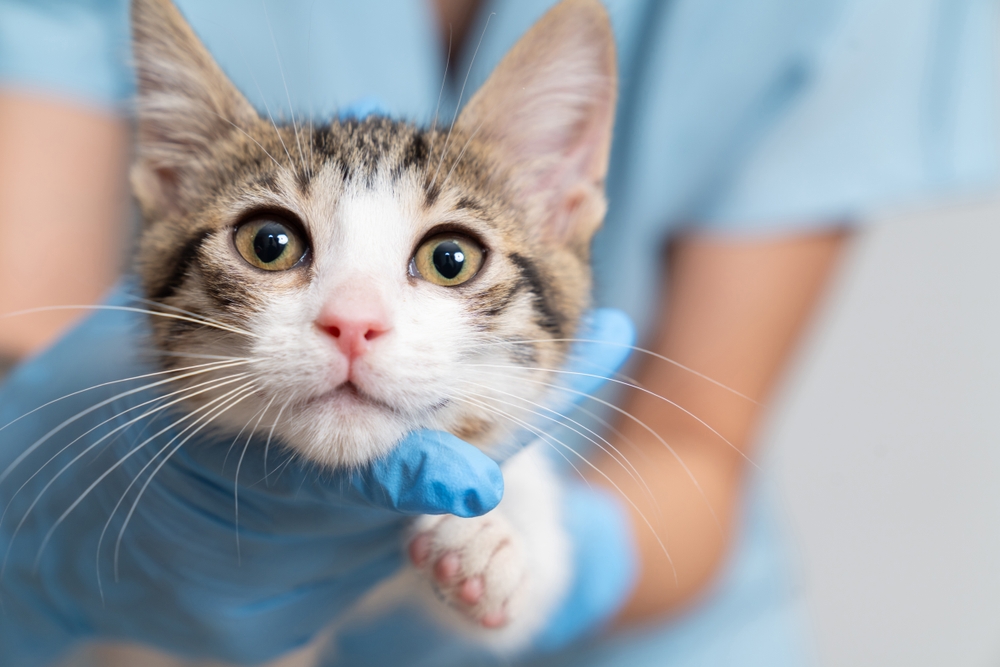

Get Expert Care With Our C-Section Services
Obstetric complications don’t wait for appointments, and our C-section services provide emergency surgical care when your pet is in distress during labor. Dr. Fernando Garcia-Pereira can perform an emergency C-section at Pet Urgent Response and Emergency when immediate intervention is needed. Call ahead at 904.922.7873 while you’re driving to 8117 Point Meadows Dr #107, Jacksonville, FL 32256. Our surgical team will be prepared when you arrive. Follow us on Facebook, Instagram, and TikTok.
FAQs
When can I bathe my dog after c-section?
Wait at least 10-14 days after a C-section or until your veterinarian confirms complete incision healing at the postoperative recheck. Bathing too early risks infection or incision opening. Keep the incision completely dry, using spot-cleaning with a damp cloth away from the surgery site if needed. Your dog should wear an e-collar throughout recovery to prevent licking. We know keeping a new mom clean is challenging. If the incision shows concerning changes, contact your veterinarian immediately.
How long does a dog c-section take?
Dog c-section surgery typically takes 45-90 minutes depending on litter size, complications, and whether spaying occurs simultaneously. Puppy delivery happens relatively quickly once the uterus opens, usually within 15-20 minutes, with additional time for uterine and abdominal closure. Emergency c-sections may proceed more rapidly when puppies are in distress. After surgery, hospitalization for monitoring typically lasts 24-48 hours depending on recovery and the puppies’ needs. We understand the anxiety of waiting—your dog is in capable hands.
How to care for a dog after a c-section?
Monitor the incision daily for redness, swelling, or discharge. Ensure your dog wears her e-collar, and administer all prescribed medications as directed. Keep the incision dry, limiting activity to short bathroom breaks for 10-14 days. Watch her closely with puppies to ensure appropriate nursing without aggression or neglect. Monitor for adequate milk production and infection signs. We know new litters are exhausting, if your dog shows severe lethargy, difficulty breathing, pale gums, or the incision opens, seek emergency care immediately.
Can cats have c-sections?
Yes, cats can have C-section surgery when natural delivery isn’t possible due to obstructed labor, oversized kittens, uterine inertia (stopped contractions), fetal distress, or maternal health problems. C-sections in cats are less common than in dogs but become necessary when labor doesn’t progress, kittens are stuck, or the mother shows distress, such as excessive straining without producing kittens or green discharge before delivery. Emergency intervention becomes critical when lives are threatened. We’re here to help when delivery complications arise.
How long does a cat c-section take?
Cat C-section surgery typically takes 30-60 minutes, depending on litter size, surgical complications, and the cat’s condition. Kitten delivery happens quickly once the uterus opens, usually within 10-15 minutes, with additional time for closing. Emergency c-C-sectionsay proceed more rapidly to save lives. After surgery, hospitalization for monitoring typically lasts 24 hours if stable, though some require longer stays. We understand birthing emergencies are stressful. Your cat receives attentive care throughout the process.
How to know if a cat needs a c-section?
Your cat may need an emergency C-section if she strains actively for 2-4 hours without producing kittens, has over 1-2 hours between deliveries when more remain inside, shows green or black discharge before delivering the first kitten, or displays severe weakness or distress during labor. Other warning signs include visible stuck kittens, excessive bleeding, or prolonged labor exceeding 24 hours total. We know how frightening birthing complications are; delayed intervention risks lives, so seek emergency care immediately when these signs appear.